
Beth Anderson is a longtime caregiver for her husband, Mitch, who was diagnosed with C9ORF72-associated frontotemporal dementia (FTD) in 2016. After nearly a decade of caregiving, Beth brings both personal experience and professional perspective to the conversation. She holds a master’s degree in Clinical and Counseling Psychology. Beth is a recently Licensed Associate Professional Counselor in Pennsylvania, with a special interest in supporting caregivers, older adults, and people navigating major life transitions. Beth is passionate about helping caregivers feel less alone, more informed, and empowered to find hope and support during an extraordinarily difficult journey.
Katie Brandt is a dementia-care expert, public speaker, and global advocate whose work centers on the lived experience of families affected by frontotemporal dementia (FTD). She is Director of Caregiver Support Services and Public Relations for the Massachusetts General Hospital Frontotemporal Disorders Unit, where she leads education, support, and person-centered care initiatives. Katie directs the ALLFTD Participant and Family Engagement Board, hosts the From Care to Cure podcast, and co-facilitates the Boston-area FTD caregiver support group. A national dementia-care policy leader, she previously co-chaired the National Alzheimer’s Project Act Advisory Council, advancing awareness of FTD and young-onset dementia.
As a former FTD caregiver for her late husband and a current Alzheimer’s caregiver for her father, Katie brings professional expertise and personal experience to her work. She founded Katie Brandt Advocacy to bridge science, storytelling, and action for funders, policy makers and researchers. She is also Co-Founder of Foreguard, a free, nonprofit resource that helps families facing serious illness build financial plans and navigate care benefits. Learn more about how Katie’s work inspires hope that the cure of tomorrow is not so far from the care of today at KatieBrandt.org.
Laura María Calderón Cuevas is a professional musician, dancer, and Health Education Specialist and Arts Educator at the University of California, San Francisco (UCSF) Fein Memory and Aging Center’s DeLeon Lab, Department of Neurology. Trained in International Political Science and International Law, with a Master’s degree in Human Rights and Democratization and as an Atlantic Fellow for Equity in Brain Health, she brings an interdisciplinary lens to her work, weaving together music, movement, neuroscience, and human rights to support brain health, well-being, and community connection. Laura María serves on the Board of Directors of Musicians for Human Rights, an organization with which she worked for nearly a decade, leading music-centered workshops and arts programs in refugee camps and underserved communities across Greece, Italy, and Ethiopia. At UCSF, she designs culturally responsive music, arts, storytelling, and educational programs for older adults, caregivers, and immigrant communities, using creative practices to advance dementia education, prevention, healthy aging, and social connection.
Shana Dodge, PhD, PMP, is Director of Research Engagement at the Association for Frontotemporal Degeneration (AFTD). A licensed clinical psychologist, she holds a Ph.D. in Clinical Psychology from the University of Hawaii, an MA in Psychology from the New School, and a BA in Psychology from George Washington University. Shana works to ensure clinical researchers and regulatory bodies understand the needs, priorities, and values of people directly impacted by FTD, and that people with FTD and their loved ones can make informed decisions about research participation.
Laynie Dratch is a genetic counselor who joined the Penn FTD Center team in February 2020. She helps families with FTD and related neurodegenerative diseases, such as Alzheimer’s disease and amyotrophic lateral sclerosis (ALS), navigate genetic testing options through research and clinical encounters. She helps individuals and families adapt to and cope with their diagnoses, and is a resource for all genetics questions. Laynie graduated summa cum laude from Colgate University with a BA in neuroscience and a minor in psychology. She completed her master’s in genetic counseling at the Johns Hopkins University / National Institutes of Health training program. Her graduate thesis work included a qualitative study of the lived experiences of individuals with or at risk of developing FTD. Laynie sees patients both at the Hospital of the University of Pennsylvania and Pennsylvania Hospital, and is involved in many of our FTD Center research studies.
Matthew (Matt) Emery is a Licensed and certified genetic counselor. Matt got his Bachelor’s and master’s degrees in biology from Seton Hall University (Graduating in 2014) and his Master’s in Genetic Counseling from Rutgers University (Graduating in 2021). Matt has spent the majority of his professional career working in research and industry focused on the integration of precision medicine into oncology and rare disease. Matt is also the son of Kathleen Emery who sadly passed away from FTD-GRN in October of 2024. After his mother’s passing Matt began volunteering with CureGRN to connect with others who had dealt with this terrible disorder and to help push the needle forward towards a meaningful treatment and/or cure in the near future. He continues this work in his mothers memory.
Sandra Gonzalez-Morett is an FTD caregiver advocate, co-founder of Go-Mo Creatives, and Volunteer Ambassador with The Association for Frontotemporal Degeneration (AFTD). Alongside her sister, Diana, Sandra cared for their mother for more than eight years following her diagnosis with FTD, an experience that shaped her commitment to advocacy and caregiver support. She co-leads AFTD’s first Spanish-language FTD support group and is passionate about increasing diversity and representation in FTD research, particularly ensuring that families from underrepresented communities have opportunities to participate and have their voices heard. Sandra is also a NextGen member of Lorenzo’s House, supporting younger people and families impacted by dementia.

Emma Heming Willis is a mother, stepmother, wife, advocate, and cofounder of Make Time Wellness, a brand devoted to women’s brain health. After her husband, Bruce Willis, was diagnosed with frontotemporal dementia (FTD), she became an advocate for caregivers and families navigating neurodegenerative disease. Working alongside the Association for Frontotemporal Degeneration, Emma has helped advance efforts to bring greater recognition, resources, and research to FTD, including supporting the passage of America’s first state-level FTD registry in New York. She is also the founder of the Emma & Bruce Willis Fund for Dementia Research and Caregiver Support, which supports FTD research and families navigating the disease. Emma is the New York Timesbestselling author of The Unexpected Journey and a recipient of the Caregiving Award from Maria Shriver’s Women’s Alzheimer’s Movement, as well as the Tom Hanks Caregiver Champion Award from the Elizabeth Dole Foundation.
Linde is a Registered Nurse, wife, and mother to two beautiful daughters. She has become an outspoken advocate for FTD as a multigenerational caregiver, starting in adolescence with her grandmother. Linde then became a primary caregiver at the age of 22, when her mother subsequently developed symptoms of genetic FTD caused by a MAPT mutation.
Fueled by failures of her family’s past while also fearing for the years ahead, Linde decided to take control of her future. She co-founded a non-profit organization, Cure
MAPT FTD, engaging in research studies, serving on governmental committees, and has been a featured guest and keynote speaker at multiple conferences, podcasts, newscasts and research institutes. In December 2024, she was featured in a cover story in The New York Times, and will be featured in an upcoming PBS documentary.
Everything done in honor of her mother in the pursuit of a better future for her daughters. Forever fighting.
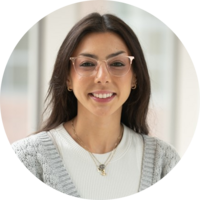
Dahlia Kamel, M.S., ACRP-CP® is an Assistant Director of the Penn FTD Center at the University of Pennsylvania Perelman School of Medicine, overseeing the clinical research program and center operations. Dahlia holds a B.S. in Biology , a B.S. in Psychology with Neuroscience concentration, a M.Sc. in Medical Psychology and Cognitive Neuroscience and completed additional doctoral coursework in Interdisciplinary Aging Studies. She brings over 12 years of experience in clinical research execution, management, and operations at the University of Pennsylvania, the University of the Sciences, the University of North Carolina, and Tulane University School of Medicine. She currently serves as the Chairperson for the Society of Penn Clinical Research Professionals. Dahlia’s career has been devoted to creating a safe, compassionate, and collaborative environment for patients and their families affected by FTD and related dementias and to supporting them as they make altruistic contributions through research.
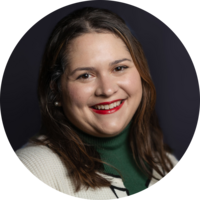
Maria Kent Beers is the co-founder and co-host of Remember Me, a podcast shaped by her experience with her mother, Lia, who lived with frontotemporal dementia and ALS. Across nearly 200 episodes, Maria and co-host Rachael Martinez have brought families’ stories into conversation with experts on genetics, research, and caregiving, giving listeners around the world a deeper understanding of life with FTD. Maria studied film and radio at Boston University and draws on her storytelling background to make lived experience impossible to overlook in discussions of care and research. She is also co-founder of The Remember Me Foundation, which offers emotional care, practical resources, and community to families navigating neurodegenerative disease.
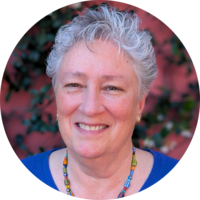
Susan L. Koen, Ph.D., is a psychologist, author, and speaker whose most recent work explores what it means to love fully and live courageously.
After years as an entrepreneur, researcher, and management consultant, Susan’s life took a profound turn when her beloved partner of 40 years was diagnosed with Frontotemporal Dementia (FTD). Her recently published memoir, Dancing in the Face of Death: A Journey of Love, Caregiving, and Courage amid a Dementia Diagnosis, is an Amazon Best Seller. It tells the story of navigating the emotional terrain of partnership, caregiving, and grief with grace, humor, and fierce devotion.
Through her writing and speaking, Susan invites audiences to reflect on themes often left unspoken —Healthy Love/Healthy Grief, Courage and Agency in Dementia, and the Challenges & Rewards of Caregiving. She combines the insight of a psychologist with the tenderness of someone who has lived through what she teaches: that even in decline and death, love can deepen and meaning can endure.
Today, Susan’s mission is to expand understanding and compassion around FTD, especially GRN-FTD, and to empower others — people with dementia, care partners, families, and medical professionals — to approach disease and death not with fear, but with clarity and connection.
You can keep in touch with Susan’s writing on her website https://www.susankoen.com/ and on LinkedIn: Linkedin.com/in/susan-koen/
Alison Lynn is a Licensed Clinical Social Worker and the Director of Social Work at the Penn Memory Center in Philadelphia. Alison has been at the PMC since 2015 providing support, education, and psychotherapy to patients and families affected by a diagnosis of Alzheimer’s disease and related dementias. In addition to her clinical work, Alison oversees PMC’s suite of educational, therapeutic, and recreational programming; and supervises a team of licensed social workers, post-graduate fellows, and master’s level social work interns. Alison holds a Bachelor of Arts in Sociology from Kenyon College and a Master of Social Work from the University of Pennsylvania School of Social Policy and Practice. She completed her social work training at the Penn Memory Center and the Penn Division of Geriatric Psychiatry. Prior to her work in Philadelphia, Alison worked in admissions at a continuing care retirement community for military officers in Washington, DC.
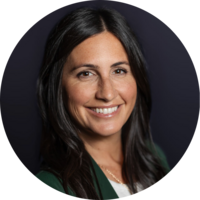
Rachael Martinez is the co-founder and co-host of Remember Me, a podcast she helped create after her father, Frank, was diagnosed with frontotemporal dementia at 50. When she couldn’t find the honest conversations her family needed, she and Maria Kent Beers began making space for them. Across nearly 200 episodes, Remember Me has shared family stories, expert interviews, and accessible conversations about genetics, research, and caregiving—grounded in compassion and respect for the families behind each story. Rachael is also co-founder of The Remember Me Foundation, which offers emotional care, practical resources, and community to families navigating neurodegenerative disease. A certified grief counselor with a master’s degree in clinical psychology and an emphasis in marriage and family therapy, she is dedicated to bringing families’ voices into conversations about FTD care and research.
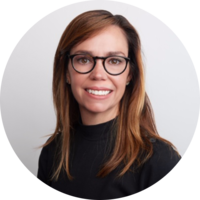
Lauren Massimo is an Associate Professor in the School of Nursing at the University of Pennsylvania and Co-Director of the Penn Frontotemporal Degeneration Center. Dr. Massimo is a graduate of the PhD program at the University of Pennsylvania. She holds a bachelor’s degree in Nursing from The Pennsylvania State University and master’s degree as an Adult and Gerontology Nurse Practitioner from the University of Pennsylvania.
Dr. Massimo’s research focuses on identifying factors associated with resilience in neurodegenerative disease. She is currently funded by the National Institute on Aging for her work on cognitive reserve in early-onset dementia and she leads an investigation of apathy in frontotemporal degeneration (FTD). Over her twenty year-long career as a nurse practitioner in cognitive neurology, she has enjoyed the opportunity to work with many patients with neurodegenerative disease and their families. Dr. Massimo feels strongly about supporting persons living with dementia and their families through education and outreach. She has made significant contributions in the field of FTD caregiving, investigating sources of caregiver stress and testing supportive interventions to foster self-care and enhance coping.
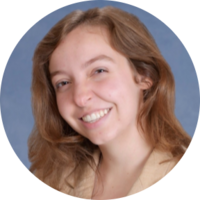
Liz Matthews is a former caregiver for her father Dave, who passed away from bvFTD/ALS when she was just 12 years old. Since then, Liz has transformed her experience into a means of supporting others like her and paving a better path for dementia. Holding a B.A. in Behavioral Neuroscience from Lehigh University, Liz is the Production Manager for the Demystifying Dementia podcast and the Social Media Manager for the Healthcare Outreach Program at Cure MAPT FTD. She is also an advocate for dementia justice through Lorenzo’s House and volunteers with the Association for Frontotemporal Degeneration.
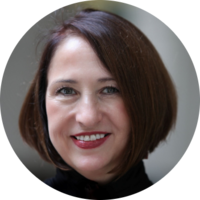
Darby Morhardt, PhD, LCSW, is a Professor in the Mesulam Institute for Cognitive Neurology and Alzheimer’s Disease and the Department of Preventive Medicine at Northwestern University Feinberg School of Medicine. She directs the Mesulam Institute’s Outreach, Recruitment and Engagement Core, Psychosocial Initiatives, and the Miller Post-Graduate Social Work Fellowship in Neurocognitive Disorders. For the past 40 years, Dr. Morhardt has worked clinically with persons living with dementia and their caregiving families. Her research focuses on developing and evaluating interventions for individuals and family caregivers of persons living with dementia, advancing psychosocial approaches, and leading community-engaged research to address inequities in dementia education, awareness, and research participation. Appointed to the Illinois Alzheimer’s Disease Advisory Committee, she contributes to the state’s Alzheimer’s Disease Plan and helped found the Illinois Cognitive Resources Network. Dr. Morhardt also serves on the Illinois Supreme Court Commission on Elder Law, working to more effectively address the needs and legal issues of older adults. In 2025, she was awarded the Lifetime Achievement Award from the National Association for Social Workers in Illinois and in 2026 she received the Knee-Whitman Lifetime Achievement award from the National Association for Social Workers Foundation for exemplary contributions to health or mental health.
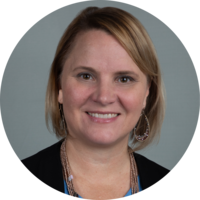
Dr. Emily Rogalski is Rosalind Franklin Professor of Neurology at the University of Chicago where she is Director of the Healthy Aging & Alzheimer’s Research Care (HAARC) Center. She is a clinical and cognitive neuroscientist, and her research falls under the broad umbrella of aging and dementia. Using a multimodal approach, she focuses her investigations on two aging perspectives: primary progressive aphasia (PPA) in which neurodegenerative disease invades the language network and SuperAging in which individuals are seemingly resistant to the deleterious changes in memory associated with “normal” or more typical cognitive aging. Her PPA research has helped to characterize the clinical and anatomical features of PPA including drivers of disease progression, identification of risk factors, and refinement of our understanding of language network organization. She has also pioneered a line of research concentrated on maximizing care and quality of life for individuals living with PPA and related dementias. She operationalized the SuperAging phenotype and has helped to establish the unique biologic, molecular, genetic, and psychosocial features associated with SuperAging. She currently leads the SuperAging Research Initiative which holds promise for identifying protective factors for avoiding Alzheimer’s disease, optimizing health span, and reducing stigma and negative expectations associated with aging.
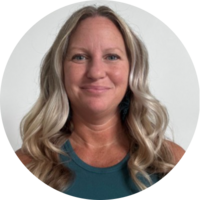
Jill Schwantes is a care partner to her adoring husband, Jamie, and mother of 2 teenage boys. Jamie is living with young onset Behavioral Variant FTD. Jill is also a full time kindergarten teacher and part-time photographer. She joined Lorenzo’s House through monthly Bright Brunch meetings with other female spouses who share their experiences. Jill is proud to be an advocate to spread awareness, compassion, honesty, and connection around this newly navigated diagnosis of FTD.
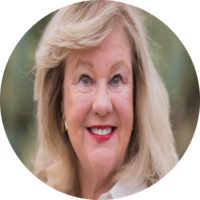
Wanda Smith became her mother’s caregiver at just 28 years old. Her caregiving journey was featured in a 1986 LIFE Magazine story, marking the beginning of more than four decades of leadership in dementia advocacy and awareness. She led efforts that resulted in California’s 2024 FTD Awareness Week Resolution, pioneered a day respite program for caregivers and families, and spearheaded innovative legislative efforts on behalf of the Alzheimer’s and FTD community. Wanda currently serves as a Senior Senator of the California Senior Legislature, representing the San Diego area. She is also the Founder of CureGRN, a nonprofit organization dedicated to uniting families affected by Progranulin Deficiency, advancing understanding of GRN-related disease, supporting research and clinical development, and helping pave the way toward treatments and, ultimately, a cure for future generations.
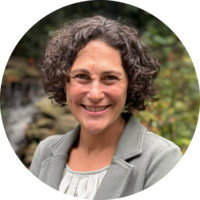
Allison Snyder is an Assistant Professor of Neurology who completed her training at the UCSF Memory and Aging Center Behavioral Neurology Training Program, followed by a research fellowship in the Neurogenetics Branch at NINDS. As a UCNS-certified behavioral neurologist and researcher, she is dedicated to developing advanced tools for resolving variants of uncertain significance. She utilizes cellular model systems to determine variant pathogenicity and uncover fundamental disease mechanisms.