
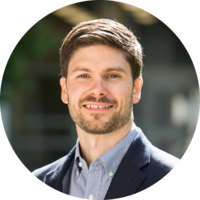
Dr. Staffaroni is a clinical neuropsychologist and Associate Professor of Neurology at the University of California, San Francisco Fein Memory and Aging Center. He co-leads the ALLFTD Technology and Remote Assessment Core and the FTD Prevention Initiative’s global data infrastructure project. His research focuses on improving early detection and monitoring of neurodegenerative diseases through multimodal modeling. His lab also develops and validates clinical outcomes assessments and digital health technologies, including smartphone assessments, wearables, and in-home sensors.
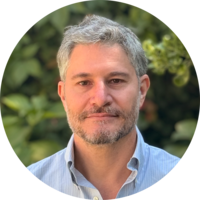
Agustín Ibáñez is a global leader in brain health, serving as Director of Global Research Networks at the Global Brain Health Institute (Trinity College Dublin) and Scientific Director of the Latin American Brain Health Institute (BrainLat, Universidad Adolfo Ibáñez). His research bridges computational neuroscience, aging clocks, exposome science, whole-body health, and artificial intelligence to advance understanding of brain health across diverse populations. Author of over 500 publications and recipient of major international grants (NIH, NIA, Wellcome Trust, Alzheimer’s Association), he leads multicenter initiatives such as ReDLat and CliCBrain, promoting equitable, transdisciplinary approaches to precision brain health worldwide.
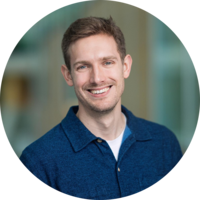
MRC Laboratory of Molecular Biology
Benjamin Ryskeldi-Falcon is a Group Leader at the MRC Laboratory of Molecular Biology (LMB) in Cambridge, UK. His team combines structural and cell biological approaches to investigate the molecular mechanisms of pathological protein assembly responsible for motor neuron diseases (amyotrophic lateral sclerosis) and frontotemporal dementias.
Benjamin obtained his BSc in Human Genetics from University College London and completed his graduate research with Michel Goedert at the LMB, receiving a PhD in Molecular Biology from the University of Cambridge. Benjamin subsequently carried out a postdoc with Michel Goedert and Sjors Scheres at the LMB, where he helped to determine the first structures of pathological protein assemblies in neurodegenerative diseases using electron cryo-microscopy (cryo-EM).
Benjamin is a Young Investigator at the European Molecular Biology Organisation (EMBO) and a Co-investigator at the UK Dementia Research Institute (UK DRI). For his research, Benjamin has received the Alzheimer’s Research UK Rising Star Award, the Breuer Foundation Alzheimer’s Research Award, the SCOR Young European Researcher Prize, the Vallee Scholar Award and the Biochemical Society Colworth Medal.
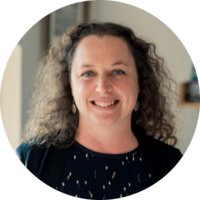
Clotilde Lagier-Tourenne, MD, PhD is Associate Professor of Neurology at the Massachusetts General Hospital and Harvard Medical School. She is the recipient of the Araminta Broch-Healey Endowed Chair in ALS, and associate member at the Broad Institute of MIT and Harvard. She is a member of the Sean M. Healey & AMG Center for ALS at Mass General and serves on the Scientific Advisory Boards of the Northeast ALS Consortium (NEALS), the Muscular Dystrophy Association, Tambourine Foundation and the Packard Center for ALS Research at Hopkins Medical School. She trained as a medical geneticist and neuroscientist in Strasbourg (France), at Columbia University and UC San Diego. Her team investigates the molecular mechanisms driving neurodegeneration in amyotrophic lateral sclerosis (ALS), frontotemporal dementia (FTD) and repeat expansion diseases. She has established collaborations with academic and pharmaceutical partners to develop novel approaches to therapy, including RNA-targeting antisense oligonucleotides and immunotherapies for ALS and FTD.
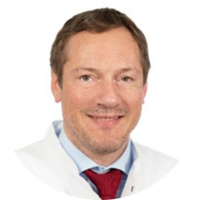
Günter Höglinger is the Director of the Department of Neurology at Ludwig-Maximilians-Universität (LMU).
Prof. Höglinger serves as Senior Scientist at the German Center for Neurodegenerative Diseases (DZNE) and is a Principal Investigator at the Cluster of Excellence for Systems Neurology (SyNergy) in Munich, Germany. He also serves on the Scientific Advisory Board (SAB) of the CurePSP Foundation and is co-chair of the SAB for the German Parkinson Foundation.
Prof. Höglinger’s research focuses on neurodegenerative diseases characterized by pathological protein aggregation, including alpha-synuclein-related conditions such as Parkinson’s disease, Lewy body dementia, and multiple system atrophy, as well as tauopathies such as frontotemporal dementia, progressive supranuclear palsy, and corticobasal degeneration. His work emphasizes understanding susceptibility and resilience factors, identifying biomarkers, and developing therapeutic interventions. He is a leading expert in clinical trial design, focusing on evaluating the safety and efficacy of disease-modifying molecular interventions.
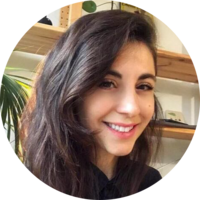
Dr. Hulya Ulugut, MD, PhD, is a neurologist and clinician-scientist at the UCSF Fein Memory and Aging Center. Her work emphasizes meticulous clinical characterization of socioemotional behavior, real-world behavioral phenotyping, and the development of objective bedside measures linked to brain–behavior relationships in neurodegenerative disease. She leads international efforts to establish multicenter cohorts and harmonize cross-cultural data using neurologically informed and culturally sensitive frameworks. Her research underscores the enduring importance of clinician-driven observation in advancing translational neuroscience and improving the global identification and management of behavioral dementia.

Lauren Massimo is an Associate Professor in the School of Nursing at the University of Pennsylvania and Co-Director of the Penn Frontotemporal Degeneration Center. Dr. Massimo is a graduate of the PhD program at the University of Pennsylvania. She holds a bachelor’s degree in Nursing from The Pennsylvania State University and master’s degree as an Adult and Gerontology Nurse Practitioner from the University of Pennsylvania.
Dr. Massimo’s research focuses on identifying factors associated with resilience in neurodegenerative disease. She is currently funded by the National Institute on Aging for her work on cognitive reserve in early-onset dementia and she leads an investigation of apathy in frontotemporal degeneration (FTD). Over her twenty year-long career as a nurse practitioner in cognitive neurology, she has enjoyed the opportunity to work with many patients with neurodegenerative disease and their families. Dr. Massimo feels strongly about supporting persons living with dementia and their families through education and outreach. She has made significant contributions in the field of FTD caregiving, investigating sources of caregiver stress and testing supportive interventions to foster self-care and enhance coping.
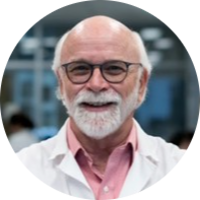
Michael J Strong, MD, FRCPC, FCAHS, FAAN
Distinguished University Professor
Arthur J Hudson Chair in ALS Research
Department of Clinical Neurological Sciences
Department of Pathology and Laboratory Medicine
Western University, Canada
Dr Michael J. Strong is a Distinguished University Professor in the Departments of Clinical Neurological Sciences and Pathology & Laboratory Medicine at Western University. He holds the Arthur J Hudson Chair in ALS Research. His research has focused on understanding the pathogenesis of ALS, including the role of altered RNA metabolism and in defining the role of altered tau metabolism in the frontotemporal spectrum disorder of ALS.
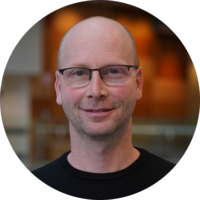
Pietro Fratta is Professor of Molecular Neuroscience at the UCL Queen Square Institute of Neurology and the Francis Crick Institute, and Consultant Neurologist at the National Hospital for Neurology and Neurosurgery in London. His lab uses patient derived tissue, iPS cells and mouse models to understand disease mechanisms in amyotrophic lateral sclerosis (ALS), with a focus on RNA metabolism. Over the last five years the laboratory has 1) discovered novel molecular consequences of TDP-43 dysfunction leading to biomarkers of disease; 2) identified TDP-43 targets that impact disease progression and devised therapeutic strategies to correct these – currently entering clinical trials; 3) developed precision medicine gene therapy technologies to specifically target the diseased cells in ALS.
Rosa Rademakers is a Full Professor at the University of Antwerp, Belgium and Director of the VIB-UA Center for Molecular Neurology. She also holds an appointment as supplemental consultant at the Mayo Clinic in Jacksonville, Florida, USA. She is the past President of the International Society for Frontotemporal Dementias, Research & Grants Committee Chair on the Medical Advisory Council of the Association for Frontotemporal Degeneration and a member of the European Molecular Biology Organization (EMBO). She has received the 2022 Generet Award for Research on Rare Diseases , the Paolo Gontijo Medicine Award and the Sheila Essey Award for ALS Research. She is also the recipient of the 2016 Potamkin Prize for Research in Pick’s, Alzheimer’s and Related Disorders of the American Academy of Neurology. Her research is focused on the molecular genetics analyses of frontotemporal lobar degeneration (FTLD) and related disorders. She leads world-wide consortia to identify causal genes, genetic risk factors and genetic disease modifiers and leverage genetic findings to further the understanding of FTLD through the generation of cell and mouse models.
Professor Tara Spires-Jones, DPhil(Oxon), FMedSci is Director of the Centre for Discovery Brain Sciences at the University of Edinburgh and the Past President of the British Neuroscience Association. Her research focuses on the mechanisms and reversibility of synapse degeneration in Alzheimer’s disease. Her work has shown that soluble forms of the pathological proteins amyloid beta and tau contribute to synapse loss. Further, her group has discovered that pathological forms of tau spread through the brain via synaptic connections. Prof Spires-Jones trained in Biochemistry and French at the University of Texas at Austin as an undergraduate and earned a masters and DPhil from the University of Oxford supervised by Prof Sir Colin Blakemore. She then moved to Massachusetts General Hospital and Harvard Medical School for postdoctoral training with Prof Bradley Hyman where she stayed and started a group as Instructor then and Assistant Professor In 2013 she moved to the University of Edinburgh. In addition to her research, Prof Spires-Jones is passionate about communicating scientific findings to the public and policy makers; increasing the rigour and reproducibility in translational neuroscience; promoting inclusivity and diversity in science; and supporting career development of neuroscientists.
Virginia Sturm, PhD is the John Douglas French Alzheimer’s Foundation Endowed Professor at the Fein Memory and Aging Center at the University of California, San Francisco. She is a neuropsychologist and the director of the UCSF Clinical Affective Neuroscience Laboratory. Her research focuses on the neural systems that support emotion and social behavior in neurodegenerative disorders.